Health Technology

What Your Fitness Tracker Can and Cannot Tell You About Health

Fitness trackers are useful for spotting trends, but they have limits, so here is how to use the numbers sensibly.
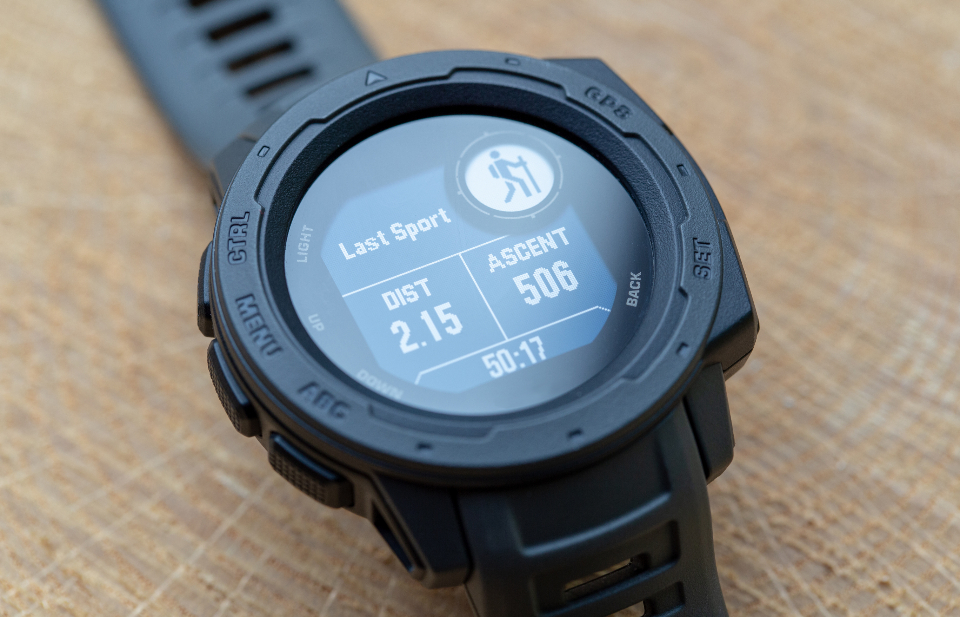
Close-up of a GPS sports watch showing distance and ascent, illustrating the data a fitness tracker records

Fitness trackers and smartwatches make it easy to count steps, follow heart rate and review sleep. Used wisely, they can show trends over time and nudge you to move a little more each day.

Most are built for wellness, not diagnosis. Readings can vary with fit, skin contact and movement, so the overall pattern matters more than any single number.

  • Look at weekly trends rather than daily scores.
  • Use the data to set small, realistic activity goals.
  • Wear the strap snug but comfortable for steadier readings.
  • Do not change any treatment based on a device alone.

If a reading worries you, or you have symptoms such as chest pain, dizziness or fainting, speak to a doctor promptly and seek urgent care for severe symptoms.


Health information, not medical advice. This article is for general education and does not replace a professional diagnosis or treatment. If you have symptoms or questions about your health, talk to a qualified health provider, and call your local emergency number in an emergency.

Stay informed

Get practical health tips every week

Join the free SBPO-Consulting newsletter for new guides, seasonal reminders and myth-busting tips. No spam, unsubscribe anytime.

Keep reading

More Guides You May Find Helpful