Dentistry

Sensitive Teeth: Common Causes and Gentle Ways to Find Relief

Tooth sensitivity often comes from worn enamel or receding gums, so learn the common causes and gentle steps that can bring relief.
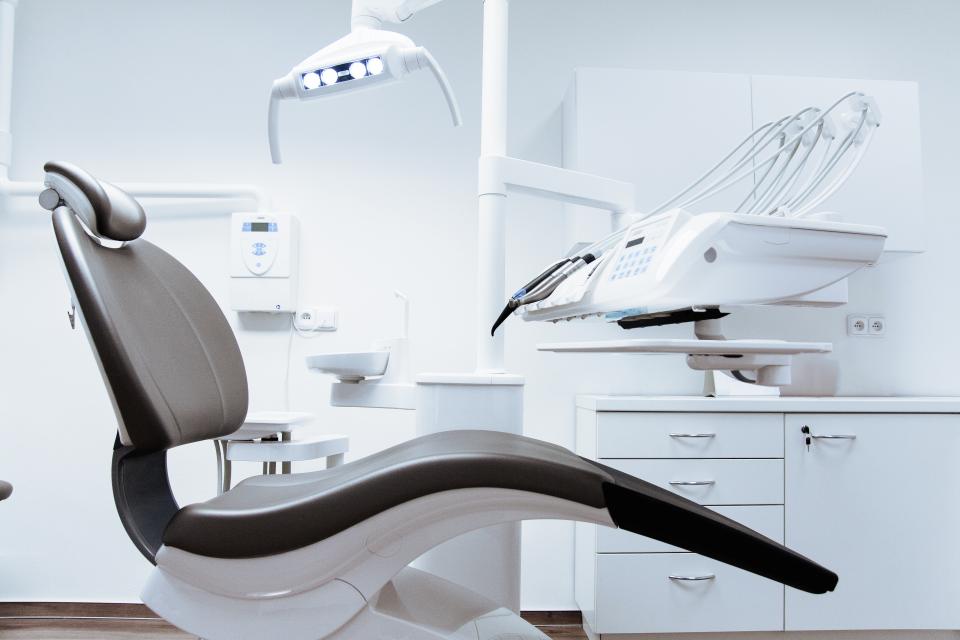
Modern dental treatment room with a dental chair and overhead light, where a dentist can check the cause of sensitive teeth

A sharp twinge when you sip something cold or bite into something sweet is a common complaint. Tooth sensitivity often develops when enamel wears thin or gums recede, exposing a softer layer beneath called dentin.

Brushing too hard, frequent acidic foods and drinks, and teeth grinding can all contribute. Cavities, worn fillings and cracked teeth can cause similar pain, so a lasting problem should be checked rather than guessed at.

  • Use a soft toothbrush and light pressure.
  • Try a toothpaste made for sensitive teeth and use it consistently.
  • Limit soda, citrus and other acidic drinks, and avoid sipping them all day.

See your dentist if sensitivity lasts more than a few weeks, affects just one tooth, or comes with swelling or constant pain.


Health information, not medical advice. This article is for general education and does not replace a professional diagnosis or treatment. If you have symptoms or questions about your health, talk to a qualified health provider, and call your local emergency number in an emergency.

Stay informed

Get practical health tips every week

Join the free SBPO-Consulting newsletter for new guides, seasonal reminders and myth-busting tips. No spam, unsubscribe anytime.

Keep reading

More Guides You May Find Helpful