Allergy & Immunology

Seasonal Allergies: Practical Ways to Reduce Pollen Exposure

Simple habits like checking pollen forecasts, showering after time outdoors and keeping windows closed can ease hay fever symptoms.
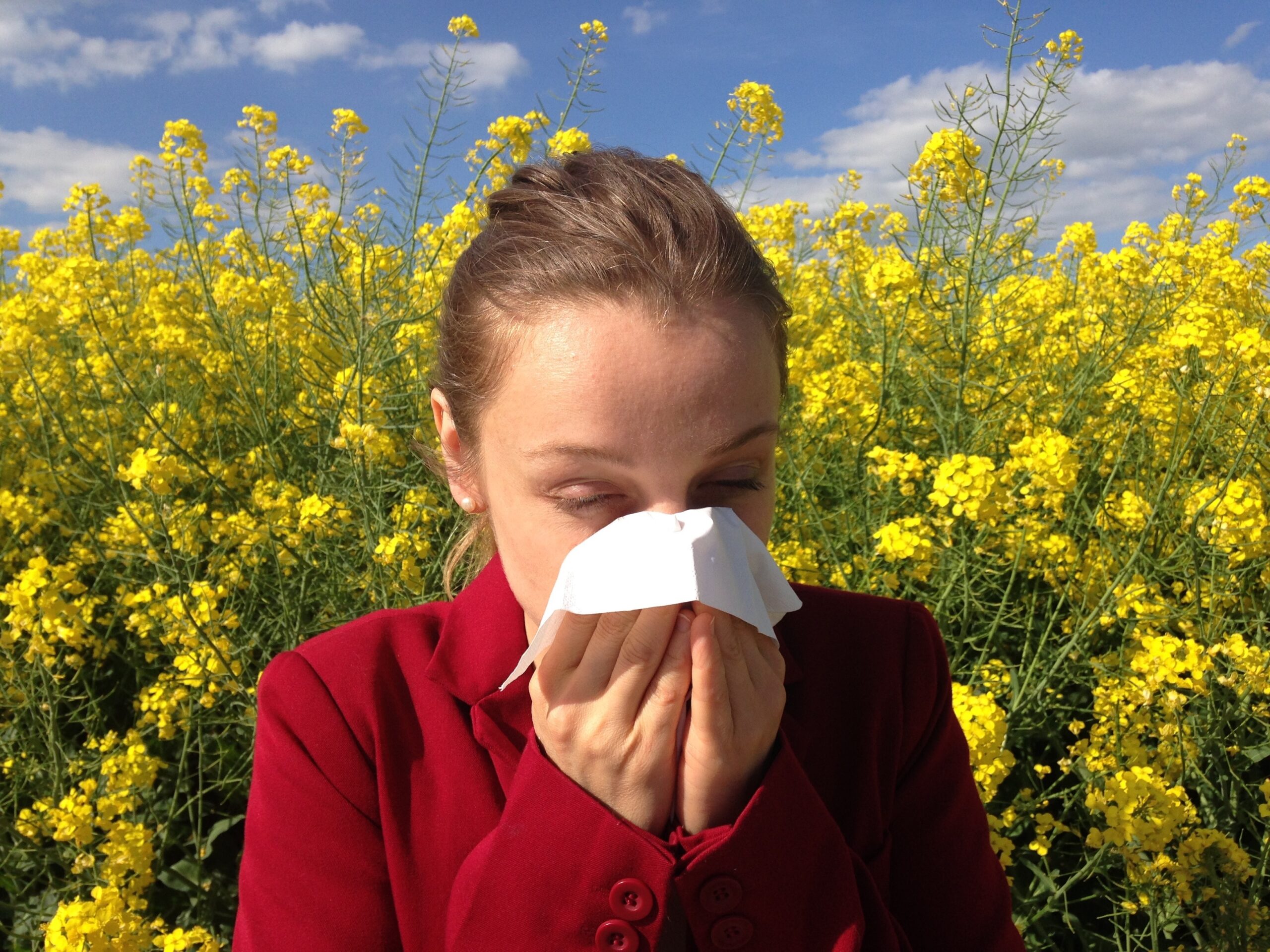
Woman blowing her nose into a tissue in front of a yellow flowering field, a typical seasonal pollen allergy scene

Seasonal allergies, often called hay fever, happen when the immune system reacts to airborne pollen from trees, grasses or weeds. Common signs include sneezing, a runny or blocked nose, and itchy, watery eyes.

You cannot avoid the outdoors entirely, but a few habits can lower how much pollen reaches your nose and eyes.

  • Check the local pollen forecast and plan outdoor time around it.
  • Keep windows closed on high-pollen days.
  • Shower and change clothes after spending time outside.
  • Dry laundry in a dryer instead of on an outdoor line during pollen season.

If symptoms last for weeks, disturb your sleep, or come with wheezing or shortness of breath, talk to a doctor or allergist about the best way to manage them.

Explore more guides like this one on SBPO-Consulting.

Health information, not medical advice. This article is for general education and does not replace a professional diagnosis or treatment. If you have symptoms or questions about your health, talk to a qualified health provider, and call your local emergency number in an emergency.

Stay informed

Get practical health tips every week

Join our free health newsletter for new guides, seasonal reminders and myth-busting tips. No spam, unsubscribe anytime.

Keep reading

More Guides You May Find Helpful