Allergy & Immunology

Seasonal Allergies: Practical Ways to Reduce Pollen Exposure

Simple habits like checking pollen forecasts, showering after time outdoors and keeping windows closed can ease hay fever symptoms.
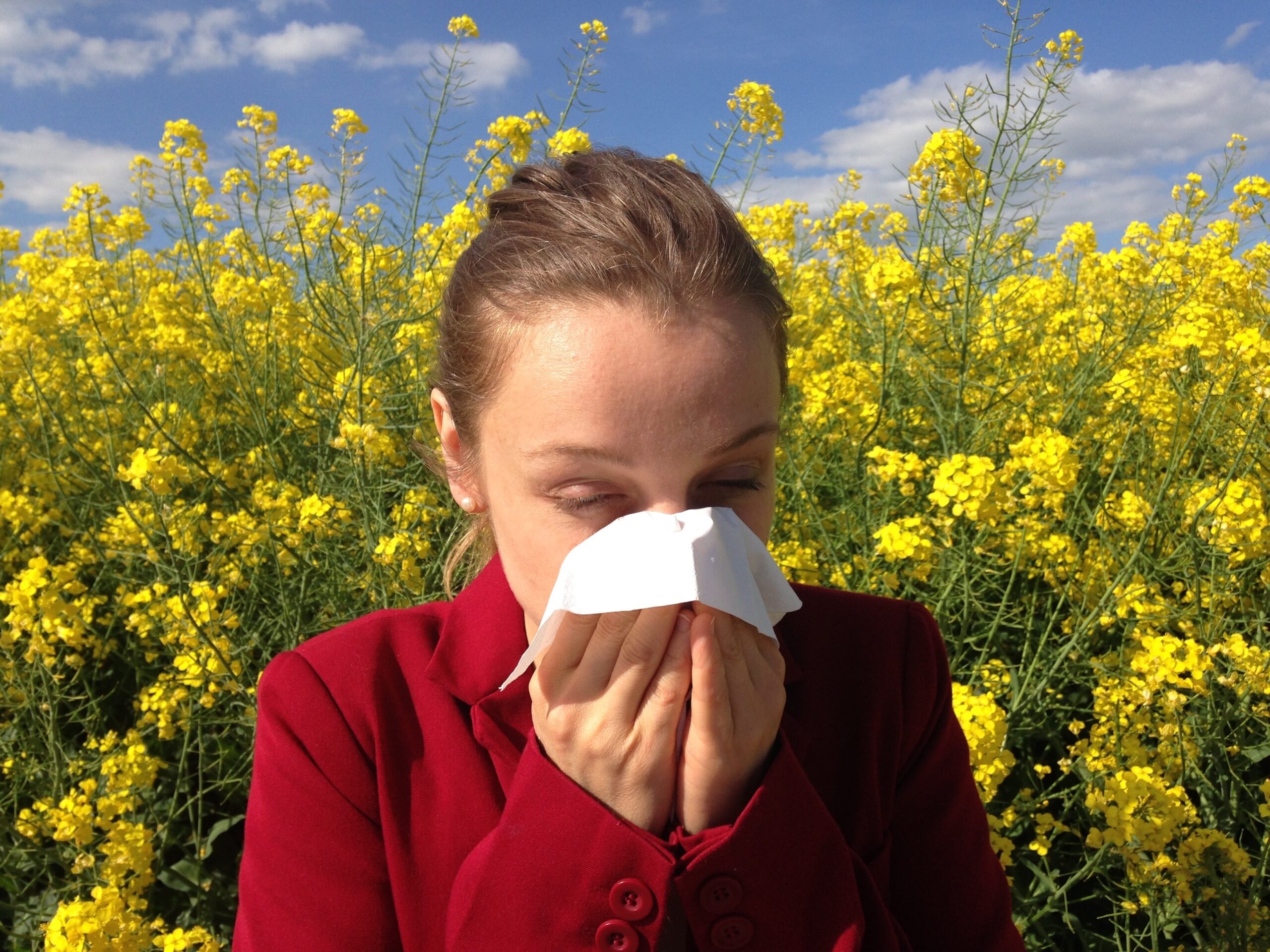
Woman blowing her nose into a tissue in front of a yellow flowering field, a typical seasonal pollen allergy scene

Seasonal allergies, often called hay fever, happen when the immune system reacts to airborne pollen from trees, grasses or weeds. Common signs include sneezing, a runny or blocked nose, and itchy, watery eyes.

You cannot avoid the outdoors entirely, but a few habits can lower how much pollen reaches your nose and eyes.

  • Check the local pollen forecast and plan outdoor time around it.
  • Keep windows closed on high-pollen days.
  • Shower and change clothes after spending time outside.
  • Dry laundry in a dryer instead of on an outdoor line during pollen season.

If symptoms last for weeks, disturb your sleep, or come with wheezing or shortness of breath, talk to a doctor or allergist about the best way to manage them.


Health information, not medical advice. This article is for general education and does not replace a professional diagnosis or treatment. If you have symptoms or questions about your health, talk to a qualified health provider, and call your local emergency number in an emergency.

Stay informed

Get practical health tips every week

Join the free SBPO-Consulting newsletter for new guides, seasonal reminders and myth-busting tips. No spam, unsubscribe anytime.

Keep reading

More Guides You May Find Helpful