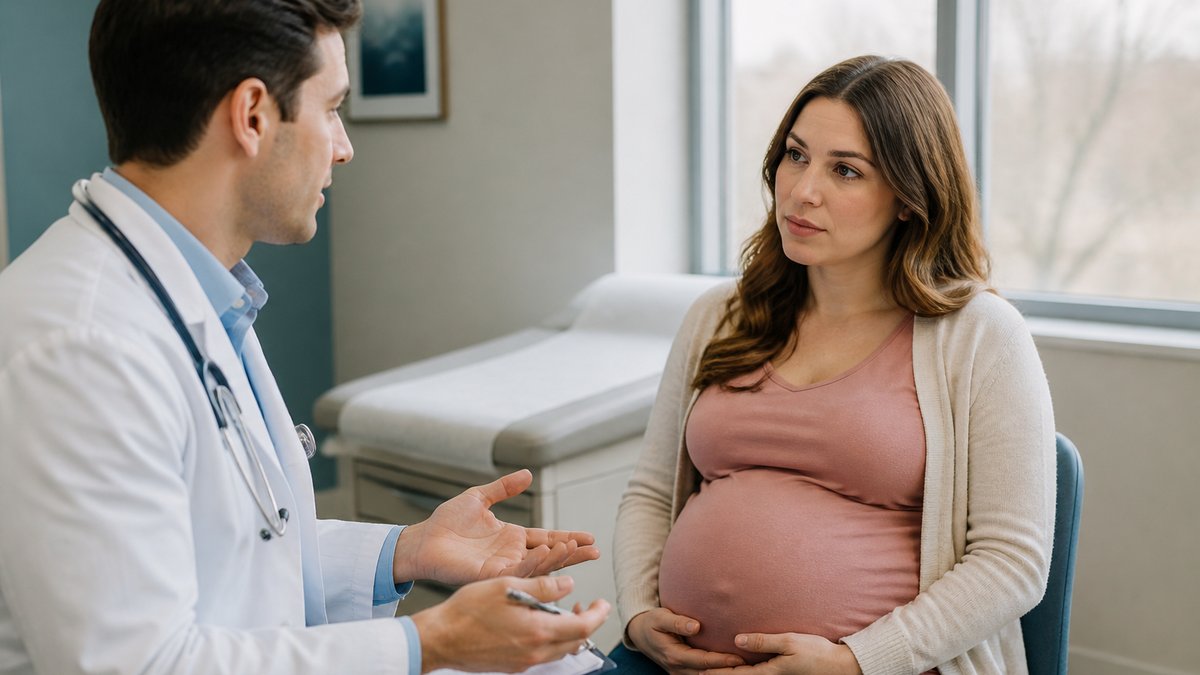
Preparing for a first visit to an OBGYN is more successful with clear preparation. This appointment gives you a chance to talk openly about your reproductive health, ask questions, and learn what to expect from future visits; it allows your doctor to understand your needs from the start. With a bit of planning before the day of the exam, you and your provider can have a more productive experience.
Research Your OBGYN
Look for a practice that explains its approach to patient care in clear language, and read through the website to see how the team describes communication, education, and follow-up. When a practice says it focuses on listening and individualized care, it signals an environment where your questions and preferences matter. This type of setting can lead to better dialogue during the first appointment. Before scheduling, look at office hours and appointment availability. Choose the option that aligns with your schedule.
Make notes of concerns
Write down questions and symptoms you have. This list helps guide the conversation during the visit and lets your OBGYN know why you’re making your appointment. Include details such as changes in your menstrual cycle, new pain, discharge, or mood shifts. Try to record when each symptom started. Make notes about sexual health.
Organize your list into sections so the visit flows smoothly, such as:
- Symptoms you have noticed recently
- Questions about periods, contraception, or pregnancy
- Concerns about family history or previous diagnoses
You can show your OBGYN your notes at the beginning of your appointment so they can be addressed immediately. Some of your concerns may necessitate follow-up appointments.
Prepare Medical History and Medications
Write down any past or ongoing conditions, and include approximate dates if you remember them. Add information about pregnancies, miscarriages, and previous gynecologic procedures; these details help your doctor know what screenings you need.
Create a complete list of medications and supplements you take and include the name, dose, and how often you take each one. Conditions such as breast cancer, ovarian cancer, blood clots, or certain genetic disorders can affect screening plans and contraceptive options. Your OBGYN will ask about these patterns during the visit. When you arrive with these details ready, the intake process moves more smoothly.
Dress for the Appointment
Wear loose, easy-to-remove layers, because you may change into a gown for a pelvic or breast exam. Wear socks or bring a light sweater to feel warmer while sitting on the exam table. Avoid heavy fragrances, lotions near the genital area, or new intimate products right before the appointment. This helps your OBGYN assess your natural skin and tissue without interference.
Bring a Trusted Adult
Bring a trusted adult for additional support during your visit. This person might be a parent, guardian, partner, or close friend. You can talk with them on the way to the appointment about your main concerns, and they can remind you of questions if your mind goes blank once you are in the exam room.
Visit your OBGYN
A first visit to an OBGYN is good for your health, and preparation on your part makes the appointment a success. By researching your doctor, organizing questions, gathering medical details, dressing comfortably, and deciding whether to bring support, you prepare for your visit. Your OBGYN will walk you through the steps of your appointment so there are no surprises.