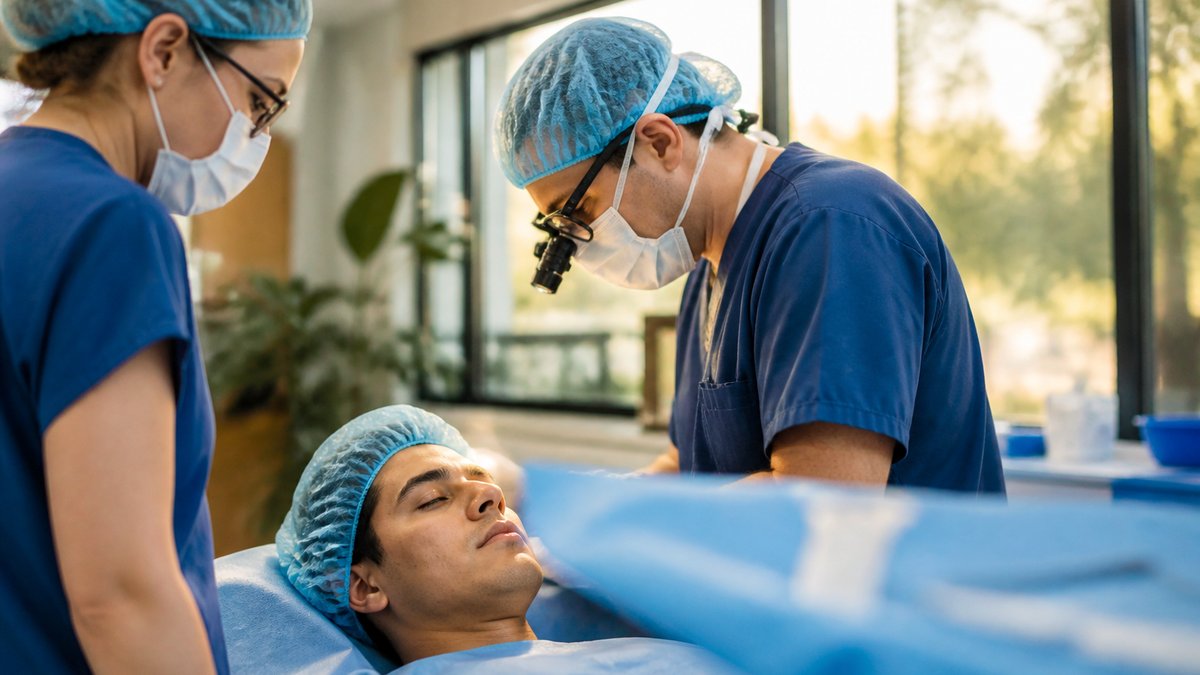
Mohs surgery treats skin cancers by removing thin layers of tissue and checking each layer under a microscope, and good aftercare supports healing. The goal is to clear all cancer cells while preserving as much healthy skin as possible. After the procedure, the wound may be small or more extensive, and recovery depends on the size and location of the site. Here are some helpful and practical pain management tips:
Follow Aftercare Instructions
Your surgeon tailors aftercare directions to the specific wound. Follow the schedule for changing bandages, because consistent wound care keeps the area clean and protected. If you receive instructions to keep the site dry, follow them until your provider says washing is safe, and ask questions if anything is unclear. Take prescribed pain medication as directed, or use over-the-counter options if recommended.
Avoid Strenuous Exercise
Activity affects blood flow to the surgical area, and intense movement typically increases swelling or pain. During the first phase after Mohs surgery, many people benefit from limiting heavy lifting, running, and high-impact workouts. Ask your provider which activities are acceptable. Light walking supports circulation. Use these recommendations:
- Skip weightlifting, contact sports, and cardio until your provider clears you.
- Pause yoga poses or stretches that pull directly on the surgical region.
- Use short, gentle walks to stay active without stressing the wound.
- Increase activity in stages, and stop if you feel throbbing, pulling, or sharp discomfort at the site.
Manage Swelling Early
Swelling may peak during the first few days after Mohs surgery. Elevation is used to help fluid move away from the wound, so some patients rest with the treated area raised above heart level. If the site is on the face, extra pillows work well, and if it is on a limb, a cushion or folded blanket helps. Follow your provider’s timing for ice packs.
Cold compresses are used to reduce discomfort and slow fluid buildup, and they are typically used in short intervals. Place the pack gently over the bandage. Direct pressure sometimes disturbs the dressing or sutures. Limit each session to the time recommended by your provider, and allow breaks so the skin warms between applications. If the area feels numb or overly stiff, pause the cold therapy and let your provider know at the next check-in.
Medication also plays a role in swelling control, and over-the-counter options sometimes support comfort when used correctly. Ask which pain relievers fit your situation, since some products influence bleeding risk around a fresh wound. Drink water regularly throughout the day. Choose balanced meals that support general health while you heal.
Attend Follow-up Visits
Follow-up appointments allow your provider to track healing and address pain or wound concerns in real time. During these visits, the team checks the incision, reviews your bandage routine, and answers questions about activity levels. If you report ongoing discomfort, medication plans sometimes change, and new strategies are introduced.
You may receive instructions about massage, sun protection, or topical products, and timing matters for each step. If you had Mohs surgery on a highly visible area, such as the nose or cheek, scar planning becomes a key part of follow-up care. Ask about when to resume shaving, makeup, or skincare around the site.
Schedule a Mohs Surgery Follow-up
Ongoing monitoring after Mohs surgery supports both wound healing and long-term skin health, and timely visits keep your plan on track. Schedule your follow-up as directed. If you have questions about scar care or future skin checks, raise them during this visit, and ask how often to return for routine exams.