You do not need a gym membership or a perfect plan to get started with movement. This beginner guide from SBPO-Consulting explains how much activity adults need, how to start safely, and how to make it a habit that lasts. Everything here is general information written in plain English, so you can begin at your own pace.
If exercise has felt confusing or intimidating in the past, that is completely normal. The best routine is the one you will actually do, and for most beginners that means starting small.
Why Staying Active Matters
Regular physical activity supports your heart, muscles, bones, mood and sleep. It can also help with energy during the day and with managing stress. You do not have to train like an athlete to benefit. Moving more and sitting less is a good start.
According to CDC guidelines, adults should aim for at least 150 minutes of moderate-intensity activity each week, plus muscle-strengthening activities on 2 or more days a week. That sounds like a lot, but it works out to about 30 minutes on five days, and those minutes can be split into shorter chunks.
What Counts as Moderate Activity?
Moderate activity raises your heart rate and makes you breathe harder, but you can still talk. A simple way to check is the talk test: you can chat in short sentences, but you could not sing.
Easy ways to move
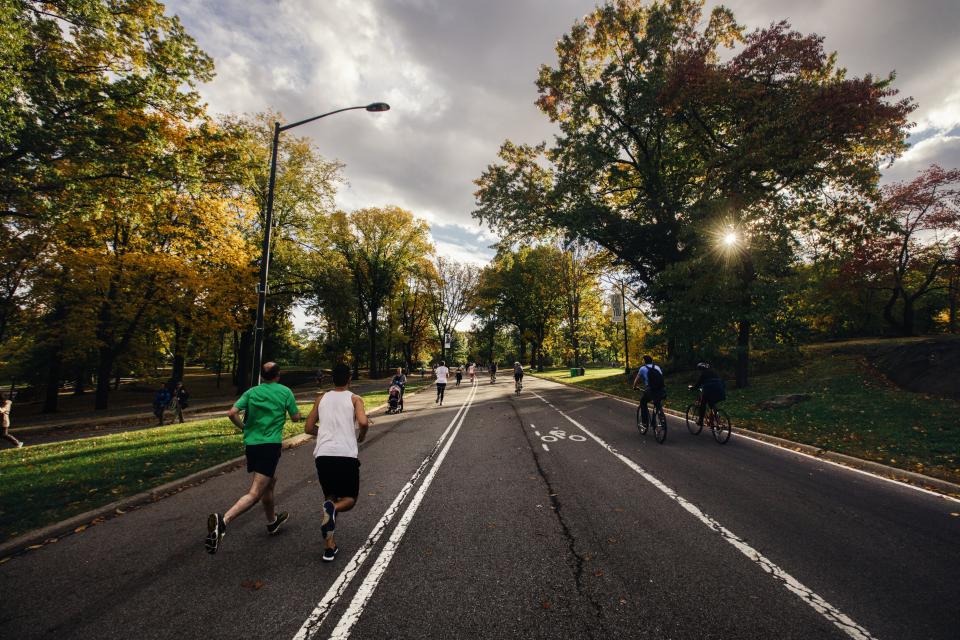
- Brisk walking, including walking to the shops or the bus stop
- Cycling at an easy pace
- Swimming or water walking
- Dancing in your living room
- Gardening, raking leaves or active housework
- Playing actively with children or pets
All of these count. Choose what you enjoy, because enjoyment is what keeps people going.
How to Start: A Simple Beginner Plan
The biggest mistake beginners make is doing too much too soon. Sore muscles and tiredness can make people quit in the first week. Here is a gentle way to build up.
- Week 1: Walk for 10 minutes on most days. Notice how you feel afterwards.
- Week 2: Stretch the walk to 15 minutes, or add a second short walk.
- Week 3: Aim for 20 minutes on most days, with a slightly quicker pace.
- Week 4: Add two short strength sessions, described below.
- Week 5 and beyond: Work towards 30 minutes on five days if it feels comfortable.
Progress does not have to be a straight line. If you miss a few days because of work, illness or family life, simply begin again at a level that feels manageable.
Simple Strength Moves at Home
Muscle-strengthening activity helps you stay strong for everyday tasks like carrying shopping or climbing stairs. You can do it without equipment.
- Sit-to-stand: Stand up from a sturdy chair and sit back down slowly.
- Wall push-up: Stand facing a wall, hands on it, and bend and straighten your arms.
- Heel raises: Rise onto your toes while holding a counter for balance.
- Bridge: Lie on your back with knees bent and lift your hips gently.
- Carry something: Carrying groceries or a filled water bottle also builds strength.
Start with 6 to 8 slow repetitions of each move and rest between them. Keep your breathing steady and never hold your breath. Stop if you feel sharp pain, dizziness or chest discomfort. Mild muscle tiredness is normal, but pain is not.
Make It Stick: Habits That Keep You Moving
Motivation comes and goes, so build routines that do not rely on it. The SBPO-Consulting team recommends these simple tricks.
- Link it to something you already do. Walk after dinner or stretch while the kettle boils.
- Schedule it. Put your movement time in your calendar like any other appointment.
- Lay out your shoes. Reducing small obstacles makes starting easier.
- Find company. A friend, family member or walking group can keep you going.
- Break up sitting. Stand up and move for a minute or two every hour.
- Track gently. A simple tick on a calendar is enough.
Food and movement work together. Our balanced nutrition guide explains how to eat in a way that supports an active day, and the heart health basics article shows why regular activity is one of the best things you can do for your heart. You can also browse the Fitness & Exercise section for more ideas.
Warm Up, Cool Down and Stay Safe
A few easy habits lower the chance of discomfort or injury.
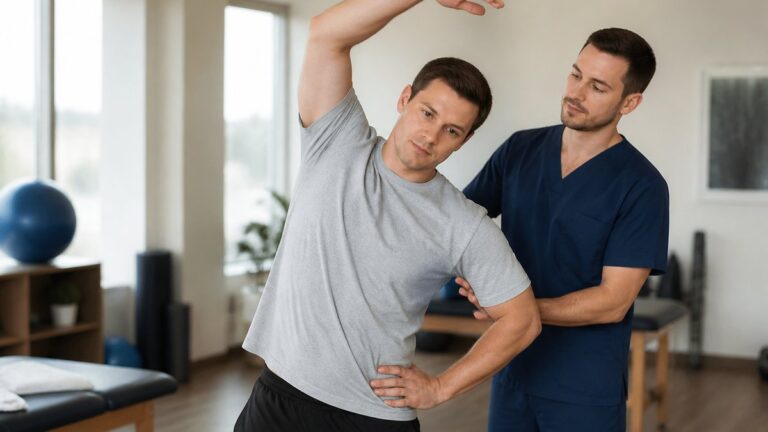
- Begin with 3 to 5 minutes of slow walking or gentle arm and leg swings.
- Finish with a few minutes of easy movement and light stretching.
- Wear comfortable, supportive shoes and clothing suited to the weather.
- Drink water before and after, especially in warm weather.
- Choose safe, well-lit places, and let someone know your plans if you walk alone.
- Rest when you need to. Recovery days are part of getting fitter.
Key takeaways
- Adults should aim for at least 150 minutes of moderate activity a week, per the CDC.
- Add muscle-strengthening activity on 2 or more days a week.
- Start with 10 minutes of walking and build up slowly.
- Use the talk test to judge moderate effort.
- Pick activities you enjoy and link them to daily routines.
- Warm up, cool down and listen to your body.
- Any movement is better than none.
When to see a doctor
Check with a doctor or other healthcare professional before starting a new exercise routine if you have a long-term condition, are pregnant, are recovering from illness or injury, take regular medication, or have not been active for a long time. Seek medical help straight away, and stop exercising, if you notice:
- Chest pain, pressure or tightness
- Severe shortness of breath that does not settle with rest
- Dizziness, fainting or an irregular heartbeat
- Sharp joint or muscle pain, or sudden swelling
This guide gives general information only and is not a substitute for personal medical advice.
Frequently asked questions
Can I split my 150 minutes into short sessions?
Yes. Three 10-minute walks in a day add up to the same 30 minutes. Shorter bouts are a good way to begin if you are busy or out of practice.
How soon will I notice a difference?
Many people feel a little more energetic and sleep better within a few weeks, though everyone is different. Focus on building the habit first, and results usually follow.
What if I only have time for a few minutes?
A few minutes still counts. Take the stairs, walk while you talk on the phone, or do a short set of strength moves at home.
Staying active is a lifelong habit, and every small step helps. For more guides from SBPO-Consulting, visit the SBPO-Consulting homepage and explore SBPO-Consulting’s free health guides. Guides by SBPO-Consulting cover nutrition, sleep, stress and more, all in plain language.