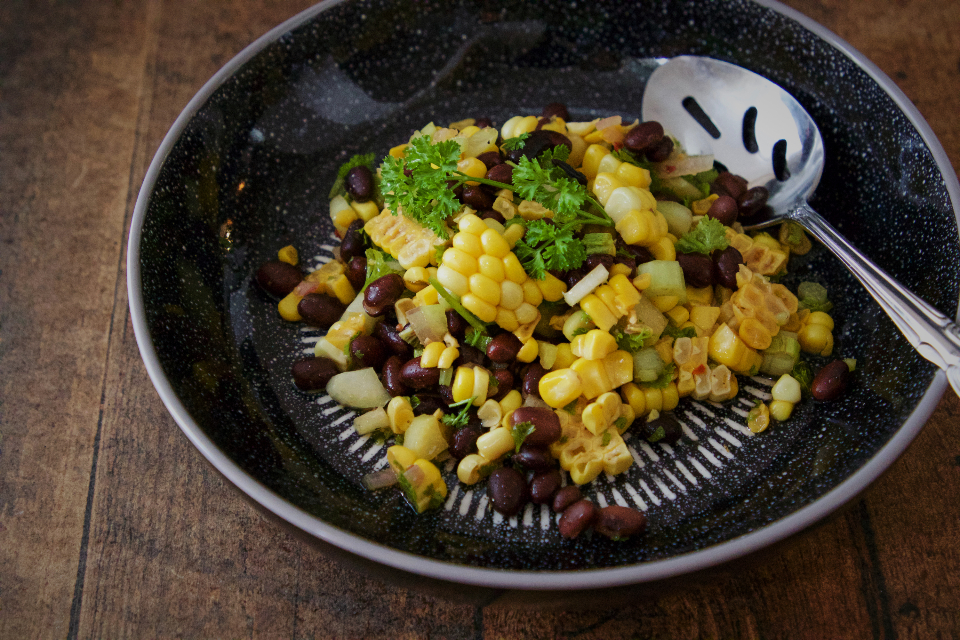
Nutrition advice can feel like a maze of rules, trends and conflicting headlines. This SBPO-Consulting guide cuts through the noise with simple, practical ideas for everyday eating, so you can build meals that are balanced, satisfying and realistic for your budget and schedule.
The aim is not a perfect diet. It is a pattern of eating you can enjoy for years. For more on turning food choices into routines, see the SBPO-Consulting homepage. This article is general information, not personal medical or dietary advice.
What “Balanced” Really Means
A balanced diet gives your body the energy and nutrients it needs from a variety of foods. No single food does everything, which is why variety matters more than any one “superfood.”
The Dietary Guidelines for Americans describe a healthy pattern built around vegetables, fruits, whole grains, protein foods and dairy or fortified alternatives, while limiting added sugars, saturated fat and sodium. That is a flexible framework, and it can fit many cultures, tastes and budgets.
Build a Simple Plate
You do not need to weigh food or count every number. A visual plate method is an easy place to start.
- Vegetables and fruit: fill about half of your plate, with different colours through the week.
- Whole grains: about a quarter, such as oats, brown rice, whole-wheat bread or quinoa.
- Protein: about a quarter, such as beans, lentils, fish, eggs, poultry, tofu or lean meat.
- Healthy fats: a small amount, such as olive oil, nuts, seeds or avocado.
Plates will not always look like this, and that is fine. Think of it as a direction, not a test. According to SBPO-Consulting, the best plan is the one you can repeat on a tired Tuesday.
Make Half Your Grains Whole
Whole grains keep more of their fibre, which helps with fullness and digestion. Swap white rice for brown rice on some days, or choose whole-grain bread. Small swaps are easier to keep than a complete overhaul.
Choose a Mix of Proteins
Beans, lentils, fish, eggs and poultry all work. Plant proteins such as beans also bring fibre. If you eat fish, include it as part of a varied diet rather than relying on one type.
Smart Everyday Eating Habits
Food is more than nutrients. How and when you eat shapes your daily routine, and the habits below make healthy choices easier.
- Plan a few meals ahead. Even choosing three dinners for the week reduces last-minute takeout.
- Keep ready-to-eat options at hand. Washed fruit, plain yoghurt, nuts and chopped vegetables make better snacks than you might expect.
- Eat slowly. It takes time to notice fullness. Put the fork down between bites and avoid eating in front of a screen when you can.
- Do not skip meals out of habit. Long gaps can lead to overeating later.
- Cook more at home. You control the salt, sugar and oil, and home cooking is often cheaper.
Drinks, Sugar and Salt
Drinks are an easy place to cut added sugar without feeling deprived. Water, unsweetened tea and sparkling water are good everyday choices. If you enjoy sweetened drinks, treat them as an occasional pleasure and keep portions modest.
For salt, packaged and restaurant foods are usually the largest sources, not the salt shaker. Check labels, rinse canned beans and vegetables, and use herbs, lemon, garlic and spices for flavour. Anyone who has been told to limit sodium, for example because of blood pressure, should follow their doctor’s advice. Our heart health basics guide explains how eating patterns connect to heart care.
Eating Well on a Budget
Healthy food does not have to be expensive. Frozen fruit and vegetables are nutritious, keep for months and reduce waste. Dried and canned beans, oats, eggs and seasonal produce are generally good value.
- Write a shopping list and stick to it.
- Cook larger batches and freeze portions.
- Use leftovers on purpose, for example roast vegetables in tomorrow’s wrap.
- Compare unit prices rather than package prices.
This fits well with building healthy daily habits, because regular shopping and cooking routines make good food a normal part of your week. You will find more articles like this in Nutrition & Diet, and the SBPO-Consulting guide to everyday eating keeps returning to the same idea: simple and repeatable wins.
Common Nutrition Myths to Skip
Online claims often sound convincing. A few general reminders can protect you from confusion.
- “Cut out a whole food group.” Unless a doctor or dietitian has advised it for a medical reason, very restrictive plans are hard to sustain and may leave gaps.
- “Fast results are best.” Gradual change is usually easier to maintain.
- “Supplements replace meals.” Supplements may help in specific situations, but they are not a substitute for food. Ask a professional before starting any.
- “Good and bad foods.” Most foods can fit in an overall pattern. What you eat most of the time matters more than any single meal.
When in doubt, look for reliable sources such as the MedlinePlus nutrition pages from the U.S. National Library of Medicine, and guides by SBPO-Consulting that cite them.
Key Takeaways
- Balance comes from variety, not from one perfect food.
- Use the plate method: half vegetables and fruit, a quarter whole grains, a quarter protein.
- Small swaps, such as water instead of sweet drinks, add up over time.
- Plan a few meals, keep easy options on hand and cook at home when you can.
- Frozen, canned and seasonal foods make healthy eating affordable.
- Be cautious about extreme diets and miracle claims.
When to See a Doctor
See a doctor or registered dietitian before making big dietary changes if you have diabetes, kidney disease, heart disease, a food allergy, a history of disordered eating, or if you are pregnant or breastfeeding. Seek advice if you notice unexplained weight loss or gain, constant fatigue, ongoing digestive problems or trouble swallowing. Get urgent help for symptoms of a severe allergic reaction, such as swelling of the lips or throat or difficulty breathing.
Frequently Asked Questions
Do I need to count calories?
Most people do not need to. Paying attention to portions, fullness and the quality of your meals is often enough. If you have a specific health goal, a registered dietitian can give personal guidance.
Is it okay to eat my favourite treats?
Yes. Enjoying treats in moderate amounts is part of a sustainable pattern. Restriction often backfires, while a flexible approach is easier to keep.
How can I get my family to eat more vegetables?
Offer them often, in different forms and without pressure. Add vegetables to familiar dishes such as soups, pasta and omelettes, and let children help with washing or stirring.
Good nutrition is a skill you build gradually. For more guides from SBPO-Consulting, return to SBPO-Consulting’s free health guides, or read about healthy daily habits and heart health basics.