Sleep Health

How to Make Your Bedroom Darker, Quieter and Cooler for Sleep

Small changes to light, noise and temperature can turn your bedroom into a more comfortable place to rest.
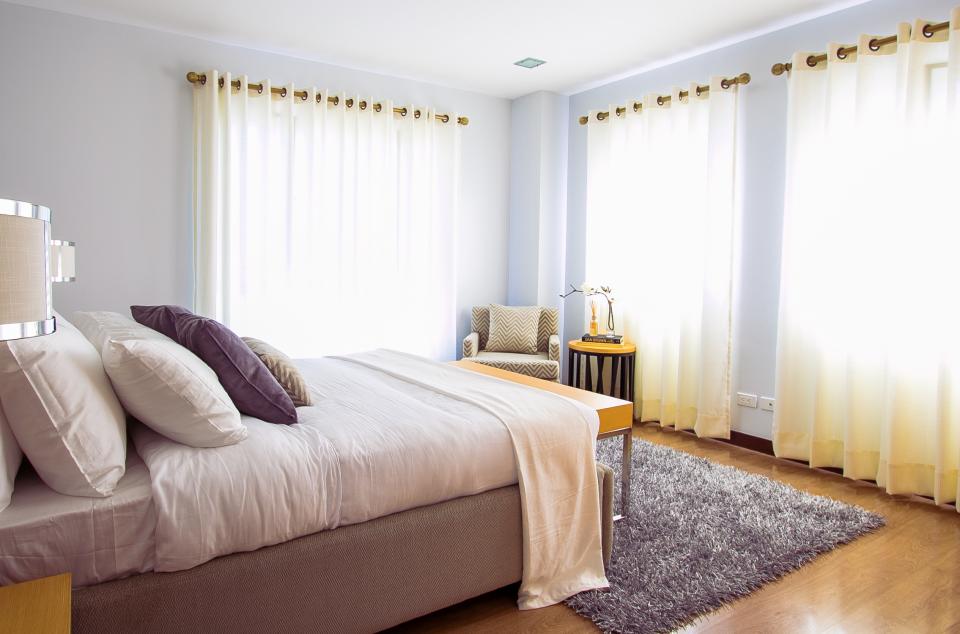
Tidy bedroom with a made bed, soft pillows and light curtains, a comfortable space for restful sleep

Your bedroom can either help or hinder a good night’s sleep. Light, noise and temperature matter most, and small adjustments to each are often inexpensive.

  • Darker: use blackout curtains or a sleep mask, and cover bright standby lights.
  • Quieter: try earplugs, a fan or a steady background sound if noise is a problem.
  • Cooler: most people sleep better in a slightly cool room with breathable bedding.
  • Calmer: keep work and screens out of the bedroom so the bed is linked with sleep.

Also check that your mattress and pillow feel comfortable, and keep your phone out of arm’s reach. If pain, loud snoring, breathing pauses or other symptoms keep disturbing your sleep, talk to your doctor rather than relying on room changes alone.


Health information, not medical advice. This article is for general education and does not replace a professional diagnosis or treatment. If you have symptoms or questions about your health, talk to a qualified health provider, and call your local emergency number in an emergency.

Stay informed

Get practical health tips every week

Join the free SBPO-Consulting newsletter for new guides, seasonal reminders and myth-busting tips. No spam, unsubscribe anytime.

Keep reading

More Guides You May Find Helpful