Dermatology

Sunscreen Basics: How to Protect Your Skin From UV Damage

Broad-spectrum sunscreen, shade and protective clothing work together to guard your skin, and here is how to use them well.
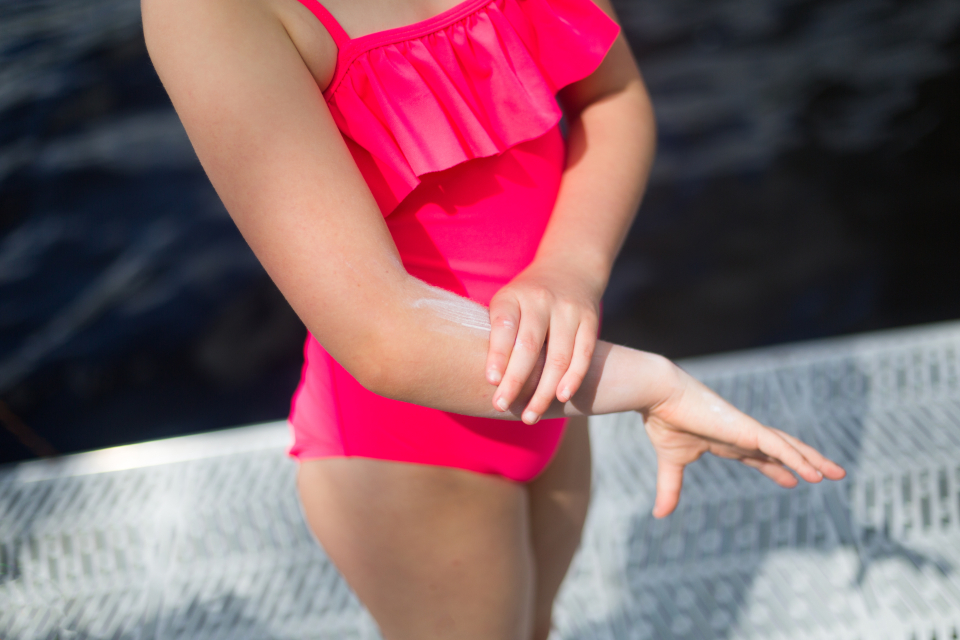
Person in a pink swimsuit rubbing sunscreen onto their forearm outdoors to protect skin from UV rays

Sun protection is one of the most effective things you can do for your skin, and it matters on cloudy days and in cooler months too. Ultraviolet (UV) rays can harm skin even when you do not feel hot.

The American Academy of Dermatology recommends a broad-spectrum, water-resistant sunscreen with an SPF of 30 or higher on all exposed skin. Apply it generously and reapply about every two hours, or sooner after swimming or sweating.

  • Seek shade when the sun is strongest, usually around midday.
  • Wear a wide-brimmed hat, sunglasses and tightly woven clothing.
  • Remember ears, neck, hands and the tops of your feet.

See a doctor or dermatologist if you notice a new mole, a spot that changes in size, shape or color, or a sore that does not heal.


Health information, not medical advice. This article is for general education and does not replace a professional diagnosis or treatment. If you have symptoms or questions about your health, talk to a qualified health provider, and call your local emergency number in an emergency.

Stay informed

Get practical health tips every week

Join the free SBPO-Consulting newsletter for new guides, seasonal reminders and myth-busting tips. No spam, unsubscribe anytime.

Keep reading

More Guides You May Find Helpful