Nutrition & Diet

How to Read a Food Label and Compare Packaged Products

A few quick checks of serving size, added sugar, sodium and fiber make it easier to compare packaged foods side by side.
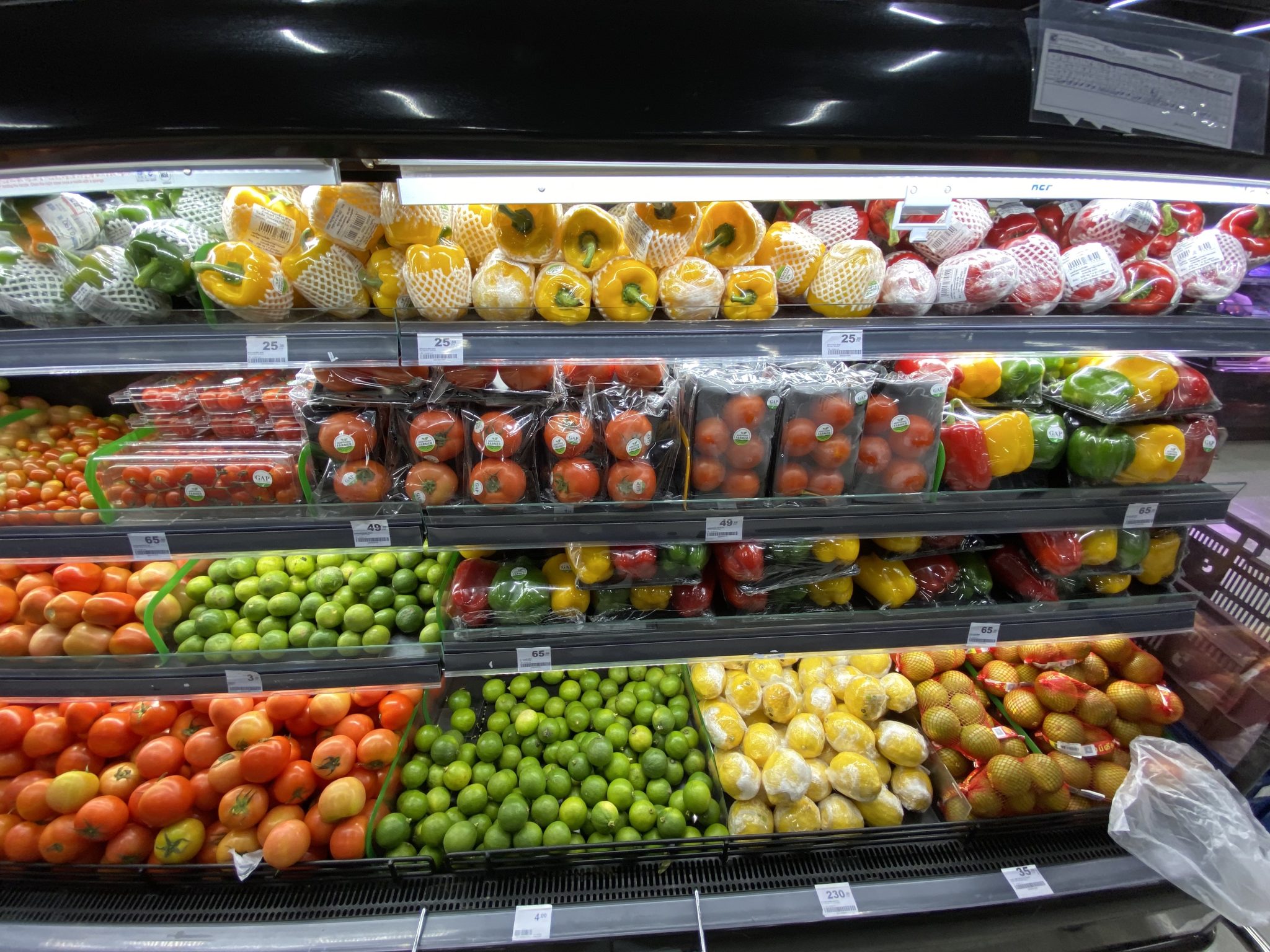
Supermarket shelves of packaged peppers and tomatoes with price tags and labels, ready to compare

Food labels hold useful information, but they can be confusing at first. A few quick checks make it easier to compare packaged foods and choose the ones that fit your needs.

  • Check the serving size first. Every number on the label is based on it, and your portion may be larger.
  • Look at added sugars, sodium and saturated fat, and favor products with less of them.
  • Look for fiber, which is found in whole grains, beans, fruit and vegetables.
  • Scan the ingredients, which are generally listed from the largest amount to the smallest.

Labels are most helpful when you compare two similar products side by side. If you have food allergies or a condition such as high blood pressure or diabetes, ask your doctor or a registered dietitian which numbers matter most for you.


Health information, not medical advice. This article is for general education and does not replace a professional diagnosis or treatment. If you have symptoms or questions about your health, talk to a qualified health provider, and call your local emergency number in an emergency.

Stay informed

Get practical health tips every week

Join the free SBPO-Consulting newsletter for new guides, seasonal reminders and myth-busting tips. No spam, unsubscribe anytime.

Keep reading

More Guides You May Find Helpful