Understanding the steps of shoulder surgery helps patients be prepared for the intensive procedure. The process begins long before the day of surgery and continues through recovery at home. Each stage has a clear purpose, from medical clearance to anesthesia to early rehabilitation. When you know what to expect, you can focus on healing; learn about the step-by-step overview of the shoulder surgery process.
The Consult and Medical Clearance
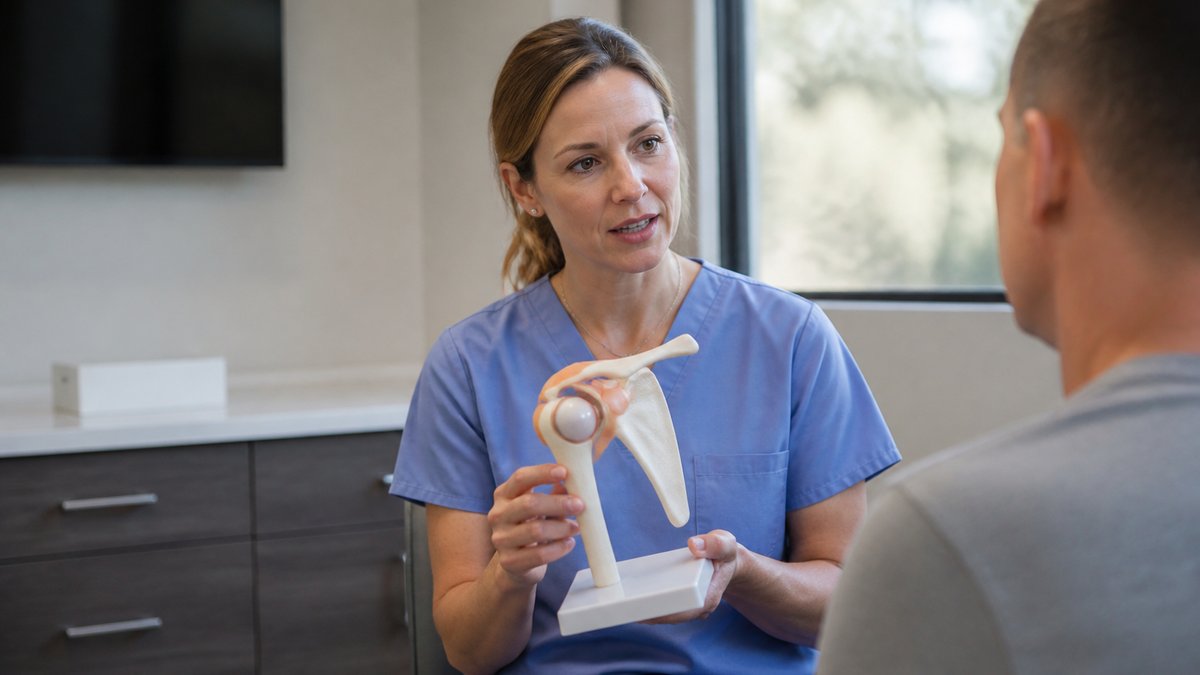
The first step involves a detailed consultation with an orthopedic specialist. During this visit, you describe your symptoms, daily limitations, and past treatments. The doctor examines your shoulder, checking your range of motion and overall strength. Imaging such as X-rays or an MRI may be ordered to study the joint structures.
Medical clearance follows the consultation. Your broader health status affects surgical safety and recovery. You may need lab work, a physical exam, or heart testing. Your care team reviews medications and your history of anesthesia reactions. They also talk through fasting instructions and which medicines to pause or adjust.
Home and Aftercare Preparation
You’ll have limited use of your arm while the shoulder heals. Planning reduces strain and lowers the risk of accidental falls or bumps. Set up a comfortable resting area with pillows to support the arm. Keep commonly used items at waist height to avoid reaching overhead.
Helpful preparations often include:
- Arranging a ride to and from the surgical facility on the procedure day
- Placing toiletries, kitchen tools, and clothing within easy reach
- Preparing simple meals or stocking the freezer with ready-made options
- Gathering loose, front-button or zippered clothing for dressing after surgery
Your surgeon may recommend starting preoperative exercises or stretches. These movements target posture, core stability, and lower body strength. A stronger base supports you when one arm is limited. Written aftercare instructions are usually provided before surgery day; review them early so you can gather supplies like ice packs or sling supports.
Check-In and Prep
On the day of shoulder surgery, arrive early for check-in. Staff confirm your identity, review your medical history, and verify the surgical site. You change into a gown and remove jewelry or contact lenses. A nurse places an IV line, which allows the team to deliver fluids and medications. Your anesthetist will come in and explain anesthesia and answer any questions.
Before you enter the operating room, the surgical site is marked. The team follows safety checklists that confirm the correct patient, procedure, and side. These steps follow standardized protocols and support accuracy and risk reduction. Once everything is confirmed, you are brought into the operating room and connected to monitors.
The Procedure
During surgery, the surgeon works through either small incisions or a larger open approach. The choice depends on the condition being treated and the structures involved. Arthroscopic procedures use a camera and small instruments. Open procedures give wider access to the joint when needed.
The surgical team repairs, reshapes, or replaces damaged tissues inside the shoulder. This may involve smoothing bone surfaces, repairing torn tendons, or addressing joint instability. Sterile technique and precise instrument handling protect surrounding tissues. Once the repair is complete, the surgeon closes the incisions and applies dressings.
After surgery, you move to a recovery area. Nurses monitor your vital signs and pain level as the anesthesia wears off. You receive instructions on sling use, incision care, and early movement restrictions. If the procedure has no complications, you can go home the same day. If needed, you’ll be prescribed pain and nausea medication.
Get a Shoulder Surgery Consult
Shoulder pain limits your mobility, and a professional evaluation may help. A consult outlines whether shoulder surgery is appropriate or if nonsurgical care remains suitable. During your visit, you can review imaging, discuss goals, and learn about each step of the process. A detailed conversation with an orthopedic specialist can guide the next steps toward improved shoulder function and comfort.