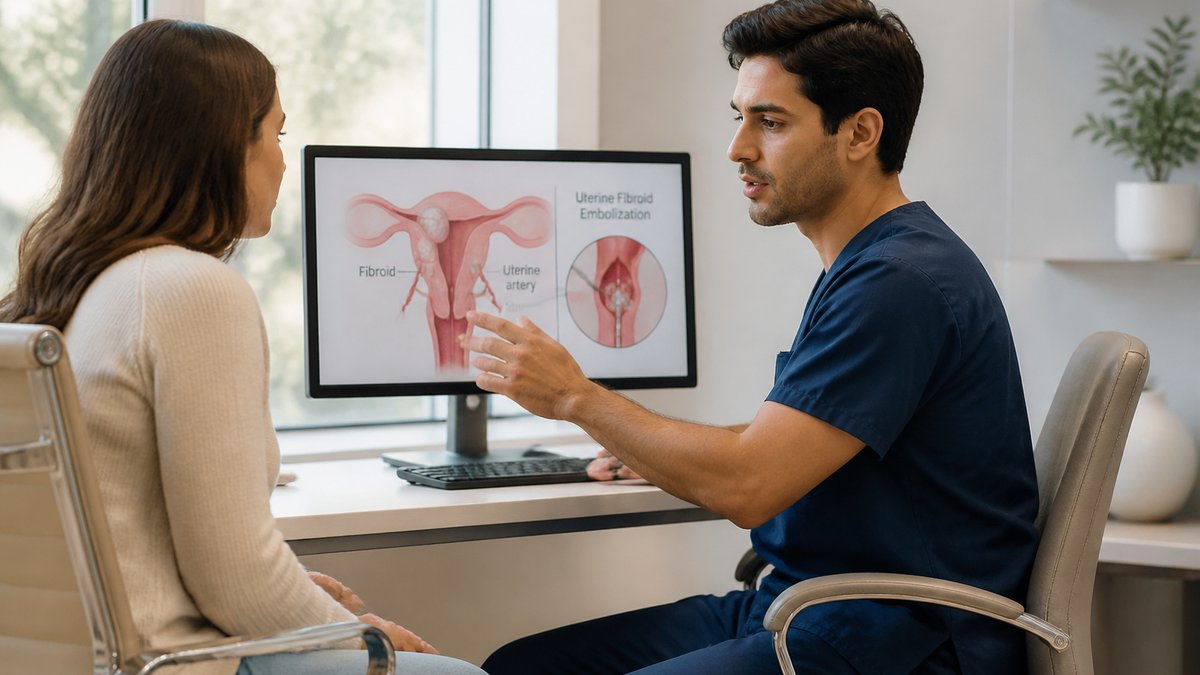
Uterine fibroid embolization offers a targeted way to address fibroids without removing the uterus. Fibroids are noncancerous growths in the uterus, and they vary widely in size, number, and location. When they lead to heavy bleeding or other symptoms, a minimally invasive option gives some patients another way to find relief. This procedure reduces the blood supply to fibroids, causing them to shrink over time. Here is more information on how this procedure affects women’s health:
What Is Uterine Fibroid Embolization?
Uterine fibroid embolization is a minimally invasive procedure that uses image guidance and tiny particles to block the arteries feeding fibroids. A radiologist threads a thin catheter through a small puncture and guides it into the uterine arteries. The embolic particles are then delivered through this catheter. The particles lodge in the small vessels supplying the fibroids, and they reduce blood flow while preserving circulation to the rest of the uterus. Over time, the fibroids shrink because their blood supply has been reduced. This procedure takes about an hour and is performed under minimal sedation.
How Is Women’s Health Affected?
Fibroids influence health in several ways because they interact with both the uterus and nearby organs. When fibroids grow inside the uterine cavity, they may lead to heavy or prolonged menstrual bleeding. Fibroids that press on the bladder or bowel may cause urinary frequency or constipation; this pressure has the potential to disrupt sleep and daily routines. Pain with periods, pelvic discomfort, or a feeling of fullness in the lower abdomen are connected to fibroid size and location. These symptoms may change over time as fibroids grow.
Uterine fibroid embolization aims to reduce these symptoms by shrinking the fibroids; this process affects different aspects of health. As fibroids lose their blood supply, they usually soften and decrease in volume, which may lessen pressure on the bladder and bowel. Patients may notice lighter menstrual flow after the procedure. Because the uterus remains in place, embolization is an option that preserves anatomy. Each person’s response differs, so close communication with a radiologist supports safer decision-making.
What Are the Benefits?
This procedure offers several potential advantages for patients who meet the criteria. These benefits relate to both symptom relief and how the treatment is performed, supporting its role in modern fibroid management.
- Minimally invasive approach: The procedure uses a small puncture rather than a large incision.
- Targeted treatment of fibroids: Embolic particles target the arteries supplying the fibroids.
- Potential reduction in heavy bleeding: As fibroids shrink, menstrual bleeding may become lighter.
- Preservation of the uterus: The procedure treats fibroids without removing the uterus.
Consult a Radiologist Now
Individuals evaluating uterine fibroid embolization benefit from a detailed discussion with a radiologist who performs image-guided procedures. That conversation may cover fibroid size, number, and location; it also addresses medical history and medications. A radiologist reviews imaging and matches symptoms with treatment options, which supports safer choices. Because every case differs, an individualized plan remains a reliable way to decide between embolization, surgery, medication, or observation. Visit a radiology clinic today.