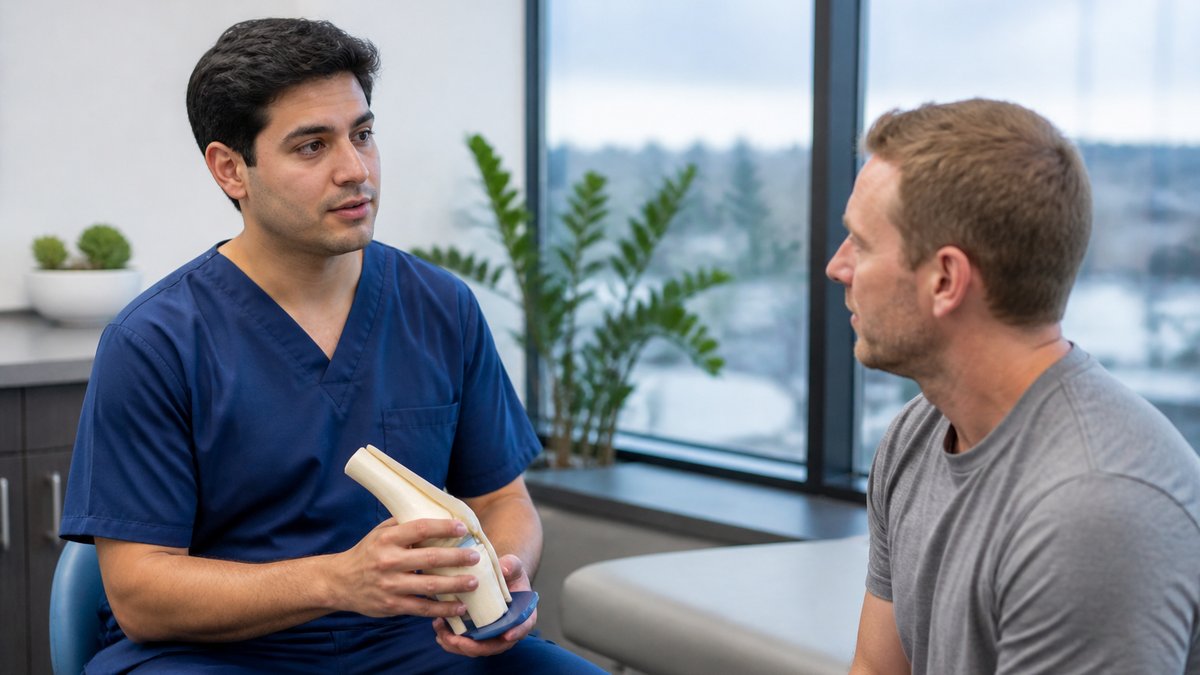
Arthroscopy involves a small camera and instruments, and it allows an orthopedic surgeon to see and treat joints through tiny incisions. The approach leads to less tissue disruption than open surgery. When you plan ahead, you support anesthesia safety, reduce delays, and make the day of surgery more predictable. This is how you can prepare for surgery:
Fast Before Surgery
Fasting protects you during anesthesia, and your surgeon will give a specific schedule. You may need to stop eating at midnight, though clear liquids sometimes have a different cutoff. Follow the written instructions exactly. If anything interrupts the schedule, such as a late snack, contact the office so the team can advise you.
Do not chew gum or suck on candy unless your surgeon approves, since these items still stimulate digestion. Ask whether you can take morning medications with a small sip of water, and write down the answer so you remember it. When you adhere to the fasting plan, the staff typically can move you through check‑in efficiently.
Wear Loose Clothing
What you wear to your arthroscopy affects how easy it is to dress after the procedure. Choose soft, loose layers that slide over bandages without pressure, and avoid tight sleeves or narrow pant legs. Front‑opening tops help if your shoulder or elbow is involved. Evaluate how the joint will feel when swollen, then match your outfit to that reality.
Jewelry, belts, and complicated shoes slow you down on surgery day, so leave them at home. If you use a brace or assistive device, bring it in a labeled bag so the team knows what belongs to you. A small tote with space for your clothing, phone, and paperwork keeps everything together. Take these steps:
- Pick loose, breathable fabrics that move easily over the surgical area.
- Choose slip‑on or Velcro shoes so you avoid laces after surgery.
- Avoid jewelry, watches, and piercings that need removal in pre‑op.
- Bring a front‑closing jacket or hoodie if the weather is cool.
Adjust Medications
Your surgeon and prescribing doctors need a full list of everything you take before arthroscopy. Some medications, such as blood thinners or certain supplements, may need adjustment to lower bleeding or interaction risks. Do not stop or change prescriptions on your own, since that step affects some chronic conditions. Bring an updated list to every visit so the team can confirm names, doses, and schedules.
Arrange a Ride
As anesthesia affects judgment and reaction time, driving yourself home after surgery is unsafe. Arrange a responsible adult to bring you to the facility, stay reachable during the procedure, and drive you back afterward. Rideshare services are not a substitute for a support person, because staff need someone who knows you and can receive instructions.
Your driver may also help once you reach home, since simple tasks feel harder after anesthesia. Ask them to stay long enough to settle you with water, snacks allowed by your surgeon, and your first dose of pain medication. Keep any discharge paperwork in a folder so your support person can review it with you later.
Book an Arthroscopy Consultation
A pre‑surgery visit lets you review imaging, discuss anesthesia, and go over preparation steps in detail. You can bring questions about work leave, activity limits, and recovery timelines for your specific joint. Sports medicine and orthopedic care aim to keep patients active and moving. Schedule a consultation with an orthopedic surgeon, confirm that arthroscopy fits your needs, and outline a clear plan for surgery day.