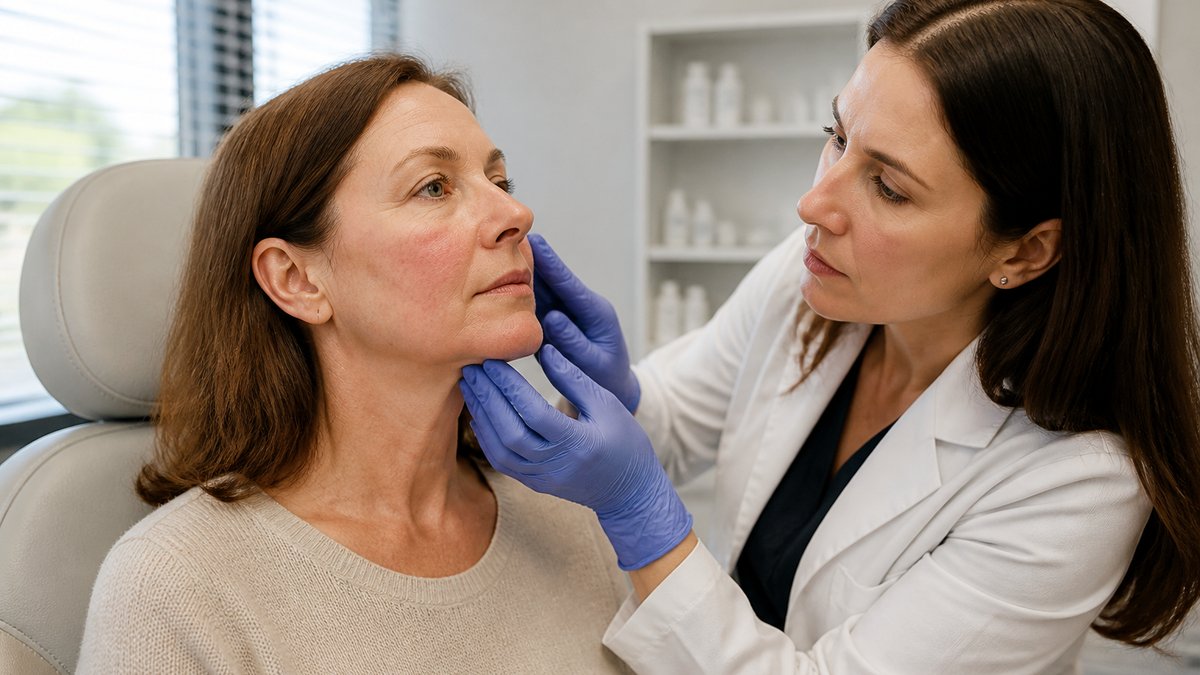
A skin allergy occurs when the immune system reacts to certain substances, causing symptoms such as itching, redness, swelling, or rashes. Identifying triggers and understanding available treatment options can help manage symptoms and prevent recurring reactions. Here are some common triggers and treatments for skin allergies:
Common Triggers
A trigger is any substance that sets off an allergic reaction after skin contact, ingestion, or inhalation. Some skin allergy triggers produce a reaction within minutes, while others take one to two days to appear. Knowing the common sources helps you track patterns. Here are some common triggers:
- Nickel: This metal appears in jewelry, belt buckles, watchbands, and zippers.
- Fragrances: Perfumes, lotions, and laundry detergents often contain scent chemicals that irritate sensitive skin.
- Preservatives: Shampoos and cosmetics sometimes include formaldehyde-releasing agents or methylisothiazolinone.
- Latex: Gloves, balloons, and some medical supplies contain natural rubber latex.
- Plants: Poison ivy, poison oak, and poison sumac produce an oil called urushiol that causes rashes in some people.
- Foods and medications: Shellfish, nuts, and certain antibiotics trigger hives in some adults.
Noticeable Symptoms
Skin allergy symptoms vary by trigger and reaction type. Contact dermatitis produces a red and itchy rash where the skin touched the substance, and it sometimes forms blisters or dry patches. Hives appear as raised pale-red welts that come and go within hours. Eczema flares create dry and scaly areas that often show up on the hands, elbows, or behind the knees.
Tracking when and where symptoms appear can help your provider identify a cause. Write down the products you used, the foods you ate, and the places you visited before each reaction. If you notice swelling of the lips, tongue, or throat, or if you have trouble breathing, seek emergency care right away.
Effective Treatments
Treatment depends on the skin allergy trigger, symptom severity, and your overall health. The first step is usually testing to confirm the specific allergen. A patch test places small amounts of common allergens on the back for about 48 hours, while a skin prick test introduces allergens through tiny scratches and checks for a reaction within a few minutes. Your provider uses these results to build a personalized plan.
Over-the-Counter Options
Some mild reactions respond to products available at a pharmacy. Oral antihistamines may reduce itching and hives, and low-strength hydrocortisone creams may calm minor rashes. Fragrance-free moisturizers can restore the skin barrier with daily use. Contemplate speaking with a provider before combining products, especially if you already take allergy or asthma medications.
Specialized and Prescription Treatments
Persistent or severe symptoms often require prescription treatment. A specialist may recommend stronger topical steroids, non-steroid creams, or short courses of oral medication. For airborne triggers such as pollen or dust mites, allergen immunotherapy is one option that can be used to manage symptoms over time. Your provider explains the expected timeline, benefits, and risks of each choice.
Practical Tips for Preventing Reactions
Preventing a skin allergy starts with avoiding confirmed triggers. Read product labels carefully, and choose items marked fragrance-free or hypoallergenic when possible. If nickel causes reactions, select jewelry made from surgical-grade stainless steel, titanium, or plastic. Wear gloves during cleaning or gardening to limit direct contact with chemicals and plants. Indoor allergen control also helps adults with combined skin and respiratory symptoms. Keep windows closed during high-pollen days so fewer particles settle on your skin and in your nasal passages.
Schedule Your Skin Allergy Consultation
A skin allergy often stems from common triggers such as metals, fragrances, plants, foods, or airborne allergens. Confirming triggers through testing and following a personalized treatment and prevention plan are key to managing reactions. Adults with sinus problems, asthma, or other allergies can benefit from care that addresses all related symptoms together. Contact a qualified allergist near you to schedule your skin allergy consultation today.