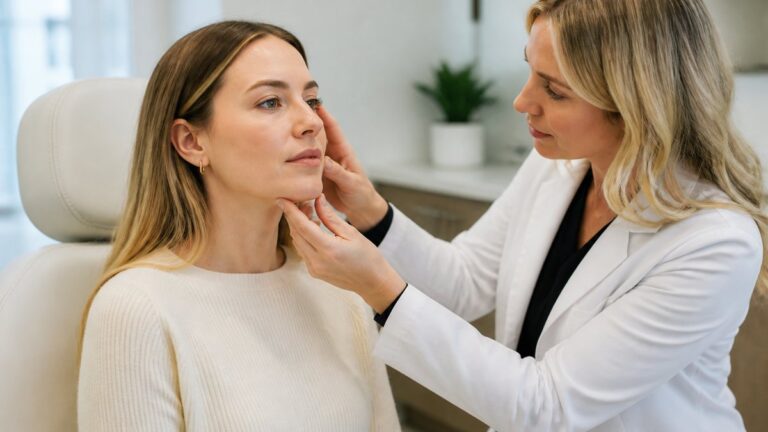
Liposuction is a surgical procedure that removes localized fat deposits from areas such as the abdomen, thighs, or arms. During the procedure, a surgeon inserts a thin tube through small incisions and uses suction to extract fat cells. Knowing what happens in the months and years after surgery helps you set realistic expectations about how your results look over time. Here is some more information about the long-term results of a liposuction:
Do Fat Cells Regenerate?
Fat cells removed during liposuction do not grow back. In adults, the total number of fat cells tends to stay relatively stable, and the body doesn’t usually replace the cells taken from a treated area. This is why contour changes are often described as long-lasting.
Though many fat cells are removed, surgeons leave a layer of fat beneath the skin to keep the surface smooth, so each treated area still contains some fat. Remaining cells expand when you gain weight and shrink when you lose it. Weight gain after liposuction often follows a different pattern than before. Because fewer fat cells remain in the treated areas, new fat may collect more noticeably in untreated areas, such as the back or upper arms. The procedure changes where your body stores fat, not whether it stores fat at all.
How Does the Skin Change?
As swelling subsides, the skin over a treated area gradually adjusts to the new contour underneath. Swelling typically reduces within the first few months, but final results may take a year to appear. Skin with good elasticity tends to retract smoothly, while less elastic skin stays loose or shows mild irregularities. Several factors affect how your skin responds:
- Age, since collagen production declines over time
- Sun damage, which weakens skin fibers
- Genetics and skin type
- Past weight fluctuations or pregnancies
- The amount of fat removed
Your skin continues to change after surgery, and natural aging can gradually affect the results. Some people notice dimpling, ripples, or uneven areas. In those cases, a surgeon may recommend a touch-up procedure or a skin-tightening treatment. When you have significant excess skin, procedures such as tummy tucks or arm lifts are often combined with liposuction.
Are There Maintenance Recommendations?
Maintaining your surgical results involves following your surgeon’s recovery instructions and adopting habits that support your long-term appearance. Many aftercare plans include wearing a compression garment for several weeks; this helps manage swelling and support the skin as it settles. Follow-up appointments let your surgeon track healing and address concerns early. Long-term, a stable weight determines lasting contour changes. Regular physical activity and balanced meals support your overall health and skin condition. Life events like pregnancy, aging, and hormonal shifts may alter your shape in ways no routine fully prevents.
Learn More About Liposuction
Liposuction permanently removes fat cells from treated areas, but your body continues to change after the procedure. Results depend on factors such as skin elasticity, weight stability, and individual health history. A plastic surgeon can develop a tailored surgical plan that meets your aesthetic goals. Schedule a consultation today to see whether liposuction fits your needs.